
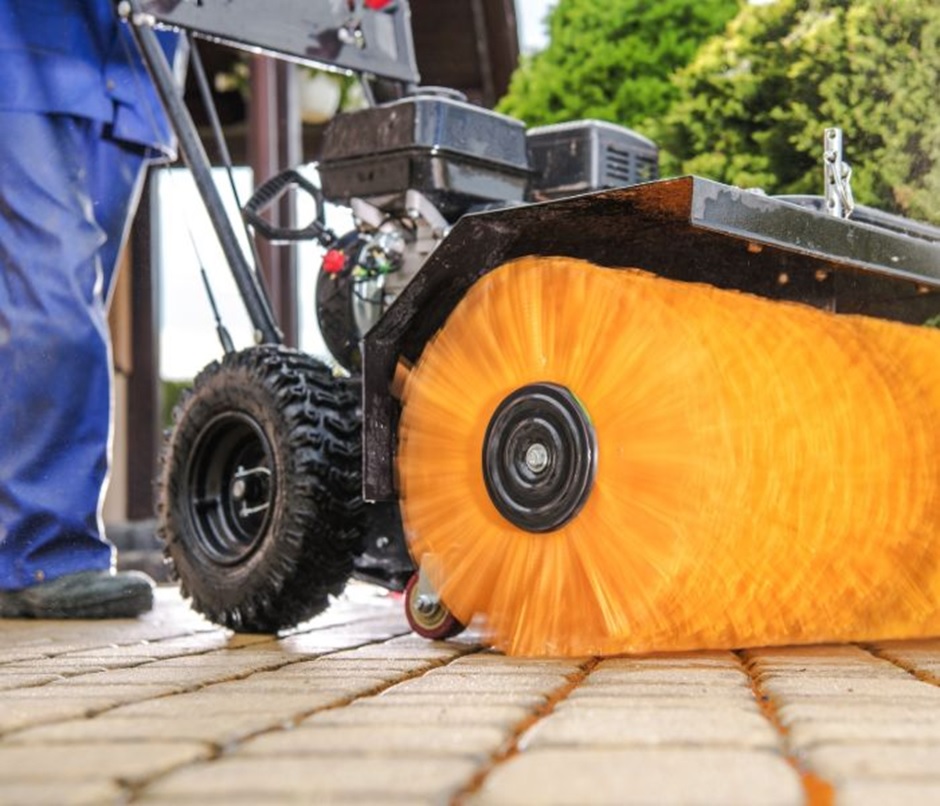

Outdoor surfaces may collect the same dirt, pollen, algae, and weather marks, but they do not all respond to cleaning the same way. Concrete handles water differently from painted siding. Pavers have joints and sometimes sealers. Pool decks may include coatings, while fences vary widely by material and finish.
That is why pressure washing in Punta Gorda should start with identifying the surface before deciding how it should be cleaned. Material, age, existing coatings, stains, nearby landscaping, and previous repairs all affect the approach. Looking at those details first reduces the temptation to treat every exterior area with the same amount of pressure.
Concrete May Look Tougher Than the Stain Sitting on It
Driveways and sidewalks often appear durable enough for aggressive cleaning, but the visible mark still deserves identification.
Loose surface dirt presents a different job from oil that has soaked into the pavement. Rust-colored irrigation marks create another situation. Older concrete may also contain cracks, patched areas, or worn sections that deserve attention before cleaning begins.
Start by walking the entire surface.
Look near the garage entrance, driveway edges, expansion joints, and areas where vehicles regularly park. One part may need straightforward washing while another stain requires separate treatment or realistic expectations about the final appearance.
Pavers Need Attention at the Joints
Paver surfaces are made from individual units rather than one continuous slab.
That means the joints deserve as much attention as the visible tops of the pavers. Loose material, weeds, previous sealer, and joint condition may affect the cleaning plan.
If the pavers were sealed before, share that information when possible.
A worn coating may react differently from an untreated surface. Cleaning also needs to be considered separately from sealing, especially when drying time and product preparation requirements come into play.
For local exterior cleaning information and available services, visit propressurewashingpuntagorda.com.
Painted Siding Needs a Different Conversation
A wall that looks dirty may actually have a finish that is fading, chalking, or peeling.
Cleaning will not restore missing paint.
Before pressure washing in Punta Gorda, inspect siding and trim for loose coatings, exposed joints, damaged material, and areas that were recently painted. These conditions should be pointed out before work begins.
The same applies around windows and decorative trim.
A cleaning method suited to one section may be too aggressive for another. Separating actual buildup from coating deterioration gives the project more realistic expectations.
Pool Decks Combine Water, Foot Traffic, and Outdoor Buildup
Pool decks deal with conditions that ordinary sidewalks do not.
Bare feet, furniture, pool water, landscaping debris, sunscreen, and regular outdoor use all affect the surface. Some decks also have textured or coated finishes that need careful handling.
Look beneath movable furniture and outdoor rugs.
These covered areas may reveal a noticeably different color from the exposed surface. That does not always mean cleaning will make every section identical again. Sun exposure and wear may also contribute to the difference.
The cleaning plan should account for the material and finish before equipment starts working across the deck.
Screen Enclosures Are More Than One Surface
A screened lanai may include flooring, aluminum framing, mesh, doors, tracks, adjoining walls, and sometimes painted or coated components.
Treating the entire enclosure as one cleaning surface overlooks those differences.
List which parts you actually want included.
A dirty floor may be the main concern, but buildup along lower frames and door tracks may remain noticeable after the deck is cleaned. Torn mesh or loose enclosure components should be identified separately because cleaning does not replace repair work.
Thinking through the enclosure piece by piece creates a clearer scope.
Patios Collect Marks Where Furniture Sits
Outdoor furniture changes how dirt and moisture collect.
A patio beneath a table may look different from an exposed walkway. Planters may leave rings. Rugs trap debris and moisture. Grill areas deal with their own spills and residue.
Move smaller items before inspecting the surface.
The areas underneath often reveal stains or buildup that were hidden during everyday use.
For heavier pieces, discuss access before the cleaning appointment. The cleaning scope should make clear which sections will be reachable rather than assuming every part of the patio becomes accessible automatically.
Fences Change With Material and Finish
A fence may be wood, vinyl, composite, metal, or another material.
Even within one material category, age and coating condition matter.
A painted wood fence with peeling sections deserves a different approach from unfinished material in stable condition. Vinyl panels may collect green buildup near landscaping, while lower sections near irrigation often show different staining than areas farther from the ground.
Identify loose boards, damaged sections, and peeling finishes before cleaning.
If staining or painting is planned afterward, mention that too. The next stage of the project may influence how the surface needs to be prepared.
Roof Cleaning Belongs in Its Own Category
Roofing should not be treated like pavement.
Shingles, tiles, metal roofing, flashing, vents, and roof edges each create conditions that differ from ground-level hard surfaces. Known leaks, loose tiles, recent repairs, or other roof concerns should be disclosed before cleaning is discussed.
A streaked roof also does not automatically call for stronger pressure.
The method needs to fit the roof covering and its condition.
Keeping roof cleaning separate from ordinary exterior washing prevents the assumption that one cleaning approach belongs everywhere around the property.
Exterior Runoff Deserves Attention
Pressure washing moves dirt and debris from one place to another, so the path of wash water matters.
The U.S. Environmental Protection Agency explains that stormwater moving across paved streets, parking areas, rooftops, and other impervious surfaces may pick up dirt, chemicals, oils, and other pollutants before reaching waterways. Its guidance on urbanization and stormwater runoff emphasizes controlling pollution at the source.
Before cleaning, look at nearby drains, landscaping, soil, and areas where water naturally collects.
This is especially relevant around driveways, commercial pavement, pool decks, and other large hard surfaces.
Landscaping Changes the Edges of the Job
Exterior cleaning rarely happens in an empty space.
Shrubs, flowers, grass, mulch beds, planters, irrigation equipment, and garden features often sit directly beside the surface being cleaned.
These areas affect access and runoff.
Tell the contractor about delicate landscaping or sections where irrigation regularly leaves staining. Move lightweight planters when practical so the covered surface may be reviewed before work begins.
The edges beside landscaping deserve particular attention because dirt and organic buildup often collect there more heavily than across open pavement.
Commercial Entrances Need Clearly Defined Boundaries
Commercial properties often include sidewalks, curbs, parking approaches, entry steps, exterior walls, and outdoor seating within a relatively small area.
A request to clean the entrance may therefore mean several different things.
Define where the work starts and ends.
An entrance wash focused on pavement and steps is different from a building exterior cleaning that includes walls, fixtures, or elevated surfaces. Business hours, deliveries, and doors that must remain accessible also belong in the planning conversation.
Clear boundaries make the cleaning scope easier to understand before the appointment begins.
Stains and Dirt Should Not Be Treated as the Same Thing
Loose dirt usually responds differently from material absorbed into a surface.
Oil, rust-colored irrigation marks, paint, old coatings, and other stains may require separate evaluation. Some discoloration may remain even after ordinary buildup has been removed.
This distinction matters for pressure washing in Punta Gorda because stronger spray does not automatically produce a better result.
The surface itself still has limits.
Discuss noticeable stains before work begins rather than judging the cleaning solely by whether every mark disappears afterward.
Existing Damage Should Stay Separate From Cleaning
A loose board, cracked paver, peeling coating, torn screen, damaged tile, or leaking roof is a repair issue.
Cleaning may make the area look different, but it does not correct the underlying defect.
Photograph existing damage when useful and point it out before the work starts.
This creates clearer expectations and allows fragile areas to receive appropriate consideration.
It also prevents an exterior cleaning project from becoming an accidental attempt to solve conditions that require an entirely different service.
Look at the Surface After It Dries
Wet pavement and siding often appear darker and more uniform immediately after cleaning.
The final appearance becomes easier to judge after the surface has dried.
Walk the area again later.
Look at edges, joints, corners, and transitions between materials. These places often show differences more clearly than a wide view from across the yard.
For pavers or other surfaces receiving additional treatment afterward, follow the preparation and drying requirements for the next product rather than assuming cleaning and sealing belong on the same schedule.
Match the Cleaning Method to the Material
Exterior cleaning works best when the surface determines the approach.
Concrete, pavers, painted siding, pool decks, patios, fences, roofs, and enclosure components each have different finishes, weak points, and maintenance histories. Treating them as one uniform exterior misses those differences.
Thoughtful pressure washing in Punta Gorda starts by identifying the material, existing condition, stains, coatings, access, and surrounding features before the cleaning method is chosen.
When your driveway, lanai, pool deck, siding, fence, patio, or another exterior area needs attention, contact ProClean Pressure Washing Punta Gorda to discuss the surfaces involved and request a free estimate for the work you want completed.