
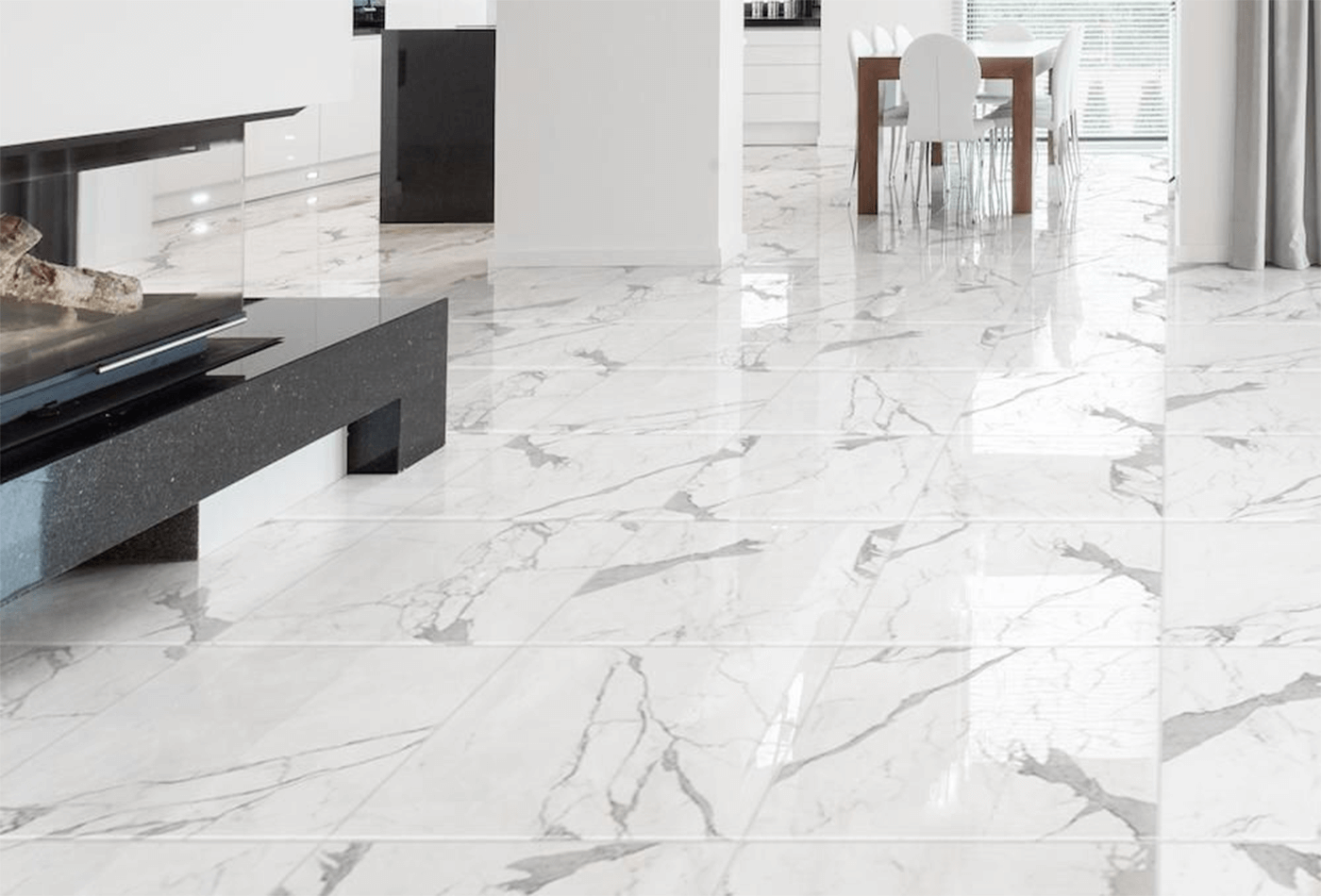

Floors rarely get the attention they deserve. Walls are painted and repainted, furniture is swapped, lighting trends come and go, but flooring quietly shapes how a space feels every single day. It affects how rooms sound, how light moves, how easy a home is to live in, and how well it ages. In recent years, porcelain flooring has moved from a practical choice to a design-forward staple, earning its place in both residential and commercial spaces.
Porcelain flooring is no longer limited to utilitarian kitchens or high-traffic entryways. Advances in manufacturing and design have transformed it into a versatile surface that balances beauty, durability, and long-term value. Understanding why porcelain flooring has gained such widespread appeal requires looking beyond aesthetics and into how people actually live.
What Sets Porcelain Flooring Apart
Porcelain flooring is a type of ceramic tile, but with important differences. It is made from finer clays and fired at higher temperatures, resulting in a denser, less porous material. This density gives porcelain its strength, water resistance, and ability to perform well in demanding environments.
Unlike softer flooring materials, porcelain resists scratches, stains, and moisture. It does not warp, swell, or fade easily, making it suitable for spaces that see daily wear. Kitchens, bathrooms, hallways, and even outdoor areas benefit from porcelain’s resilience.
This durability is not just about longevity. It is about peace of mind. Homeowners want surfaces that can handle spills, pets, foot traffic, and time without constant worry or upkeep.
Design That Goes Beyond Imitation
Early porcelain tiles often prioritized function over form. Today, that balance has shifted. Modern porcelain flooring is available in finishes that convincingly replicate natural stone, wood, concrete, and even fabric textures. High-definition printing and refined glazing techniques allow for intricate veining, subtle color variation, and realistic surface depth.
This evolution has expanded porcelain’s role in design. Homeowners can now enjoy the look of hardwood in moisture-prone areas or the elegance of marble without the maintenance challenges. Designers appreciate the consistency and predictability porcelain offers while still delivering visual warmth.
Large-format tiles have further elevated porcelain flooring. Fewer grout lines create cleaner visuals and a more expansive feel, especially in open-plan spaces. This trend has helped porcelain move seamlessly from floor to wall, blurring traditional boundaries in interior design.
A Practical Choice for Modern Living
Daily life is hard on floors. Shoes track in dirt. Furniture shifts. Water spills. In busy households, flooring must perform quietly and reliably. Porcelain flooring excels in these conditions.
Its low porosity makes it resistant to water and stains, which simplifies cleaning. Most porcelain floors require little more than regular sweeping and occasional mopping. There is no need for sealing, polishing, or specialized treatments.
For families with children or pets, this ease of maintenance is a major advantage. Accidents happen, and porcelain flooring forgives them without permanent damage.
Comfort and Climate Considerations
Porcelain flooring is often described as cool underfoot, which can be a benefit in warm climates or sunlit spaces. In cooler environments, it pairs well with radiant heating systems, distributing warmth evenly across a room.
Sound is another consideration. Hard surfaces can amplify noise, but thoughtful installation, area rugs, and underlayment choices help manage acoustics. Many homeowners find that porcelain flooring, when integrated properly, strikes a comfortable balance between firmness and livability.
Sustainability and Longevity
As sustainability becomes a greater concern, flooring choices are increasingly evaluated for environmental impact. Porcelain flooring offers advantages in this area due to its longevity and inert composition.
Because porcelain lasts for decades, it reduces the need for replacement and the associated waste. It does not off-gas volatile compounds and is made from natural materials. Many manufacturers also incorporate recycled content into their production processes.
Choosing a floor that will not need replacement every few years is one of the simplest ways to reduce environmental impact over time.
Installation and Planning Matter
While porcelain flooring is durable, proper installation is critical to achieving the best results. The density that gives porcelain its strength also means it requires skilled cutting and precise placement. Subfloor preparation, tile size, and grout selection all influence the final outcome.
Planning ahead is essential. Tile layout affects visual flow. Grout color can either highlight or soften pattern variation. Edge finishes determine how transitions feel between spaces.
Working with experienced installers ensures that porcelain flooring performs as beautifully as it looks. When done correctly, it becomes a seamless part of the architecture rather than a surface that draws attention for the wrong reasons.
Where Porcelain Flooring Works Best
One of porcelain’s greatest strengths is its versatility. It works equally well in private homes, offices, retail spaces, and hospitality environments. Its ability to withstand heavy use without showing wear makes it a favorite in high-traffic areas.
In residential settings, porcelain flooring often anchors kitchens, bathrooms, and living spaces. In commercial environments, it supports both function and branding, offering durability without sacrificing visual appeal.
Outdoor-rated porcelain has also gained popularity, extending living spaces beyond walls. Patios, walkways, and pool surrounds benefit from slip-resistant finishes and weather resistance.
A Closer Look at Premium Options
As porcelain flooring has evolved, premium offerings have emerged that combine advanced engineering with refined design. These options focus on consistency, surface innovation, and performance standards that meet demanding design expectations.
Products like Caesarstone porcelain flooring exemplify this shift, offering surfaces that prioritize durability while delivering refined aesthetics. Such options appeal to homeowners and designers seeking long-term value without compromising visual integrity.
Premium porcelain is often chosen not just for how it looks today, but for how it will look years from now. That confidence is a powerful factor in design decisions.
Porcelain Flooring Versus Other Materials
Comparing porcelain flooring to other popular options highlights its strengths. Hardwood offers warmth but requires careful maintenance and is sensitive to moisture. Natural stone is beautiful but porous and often needs sealing. Vinyl is affordable and resilient but may lack the longevity and authenticity some homeowners seek.
Porcelain occupies a middle ground. It delivers visual sophistication with minimal maintenance and exceptional durability. While initial costs may be higher than some alternatives, the long-term value often justifies the investment.
Trends Shaping the Future of Porcelain Flooring
Design trends continue to push porcelain in new directions. Neutral palettes with subtle texture are popular, allowing floors to support rather than dominate a space. Matte finishes are favored for their softness and slip resistance.
Sustainability-driven choices are also influencing design, with demand growing for materials that age well and reduce replacement cycles. Porcelain aligns naturally with these priorities.
Technology will likely continue to refine surface realism and performance, expanding porcelain’s role even further.
Living With Porcelain Flooring
Perhaps the most compelling argument for porcelain flooring is how it fits into everyday life. It does not demand attention. It does not punish mistakes. It quietly supports the rhythms of a home or workplace.
Over time, this reliability becomes noticeable. Floors remain consistent. Maintenance remains simple. Design remains relevant. These qualities matter more than trends.
Porcelain flooring proves that the best design choices are often the ones you stop thinking about because they work so well.
Conclusion
Porcelain flooring has earned its place as a modern design essential by combining durability, versatility, and evolving aesthetics. It meets the demands of contemporary living while offering timeless appeal. From high-traffic homes to refined commercial spaces, porcelain delivers confidence underfoot.
As materials continue to evolve, porcelain stands out for its ability to adapt without losing its core strengths. For those seeking a flooring solution that balances beauty and practicality, porcelain remains a smart and enduring choice.
Comments are closed.