

Introduction
Roofing plays one of the most critical roles in home preservation, energy efficiency, and overall structural stability. A well built roof protects against moisture, extreme temperatures, wind, and long term wear that can compromise the integrity of the entire property. Homeowners often underestimate the complexity of Roofing, yet it has a direct impact on comfort, safety, and long term investment value. Because the roof is constantly exposed to harsh outdoor conditions, thoughtful planning and informed decisions are essential for achieving lasting results.
High quality roofing is more than just shingles and nails. It is a complete system that includes underlayment, ventilation, insulation, flashing, drainage, and carefully integrated materials. When these components work together, they create a protective barrier that supports the home for decades. This detailed guide explores the deeper layers of modern roofing, helping homeowners make informed choices that deliver real performance and value.
Understanding the Roofing System as a Whole
A roof functions properly only when all components work as a unified system. Many problems occur because homeowners focus solely on the visible roof covering rather than the essential layers beneath.
Key Components of a Roofing System
Each layer plays a distinct role in performance and longevity.
Core components include:
- Roof covering such as shingles, metal panels, tile, or slate
- Underlayment for moisture protection
- Roof deck as the structural foundation
- Ventilation systems to control temperature
- Flashing around penetrations and edges
- Gutters and drainage features to direct water away
When one of these components fails, the entire roof system becomes vulnerable.
How Climate Influences Roofing Choices
Climate has a major effect on roofing performance. Homes in hot, humid, or storm prone regions require materials designed for those specific conditions.
Climate considerations:
- High heat increases shingle deterioration
- Coastal winds require secure fastening methods
- Heavy snowfall demands strong load bearing capability
- Regions with large temperature swings need flexible materials
Choosing climate appropriate materials prevents premature wear and reduces the likelihood of leaks or structural damage.
Roofing Materials and Their Performance Characteristics
Each roofing material offers unique benefits. The right choice depends on climate, architectural style, budget, and long term goals.
Asphalt Shingles
One of the most common materials in the United States, asphalt shingles offer strong value and reliable performance.
Benefits include:
- Wide range of colors and styles
- Resistance to moderate winds
- Good fire protection
- Straightforward installation
- Lower upfront cost than many alternatives
Advanced shingle types can also offer improved impact resistance and longer lifespan.
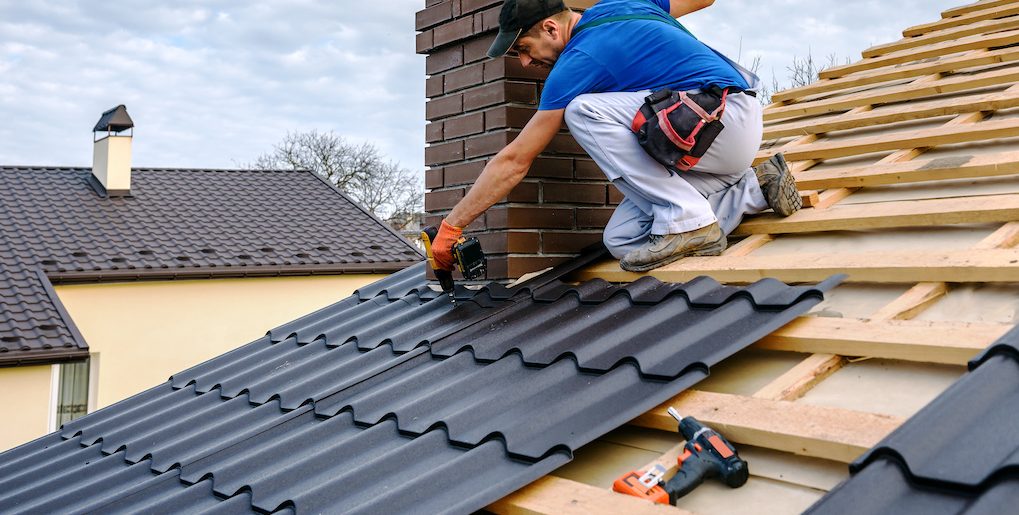
Metal Roofing
Metal roofing is becoming increasingly popular due to durability and energy efficiency.
Advantages include:
- Long service life
- Excellent wind resistance
- Reflective properties that reduce cooling costs
- Low maintenance requirements
- Lightweight composition that reduces structural stress
Metal roofs perform especially well in areas with intense weather patterns.
Tile Roofing
Clay or concrete tile offers impressive longevity and a distinctive architectural aesthetic.
Performance strengths:
- Exceptional lifespan
- Natural resistance to fire
- Strong heat resistance
- Durable composition suitable for hot climates
However, tile roofing requires a strong structural foundation due to its weight.
Slate Roofing
Natural stone slate is one of the most durable roofing materials available.
Benefits include:
- Lifespan of 75 to 100 years or more
- High density protection against harsh weather
- Timeless aesthetic appeal
- Strong resistance to mold and moisture
Because of its weight and cost, slate is used most often in premium or historic homes.
Structural Planning for Roofing Projects
Proper planning ensures that roofs support long term performance while reducing risk of damage.
Roof Pitch and Design
Pitch affects how water drains and how materials perform.
Higher pitches offer:
- Improved water runoff
- Better snow shedding
- Reduced risk of leaks
Lower pitches require specialized coverings since water drains more slowly.
Load Bearing Support
Heavy roofing materials such as tile or slate require reinforced structural support.
Homeowners must assess:
- Rafter size and spacing
- Decking thickness
- Existing structural reinforcement
- Local building codes
Ignoring weight limitations can cause sagging or structural failure.
Roofing Ventilation and Insulation
Ventilation and insulation are essential to managing temperature and preventing moisture buildup inside the home.
Importance of Proper Ventilation
Proper ventilation regulates heat and moisture, extending roof lifespan.
Benefits include:
- Preventing mold growth
- Reducing heat buildup in attics
- Extending shingle life by reducing temperature fluctuations
- Improving energy efficiency
A balanced ventilation system uses both intake and exhaust vents to maintain airflow.
Insulation for Temperature Control
Insulation works alongside ventilation to stabilize interior temperatures.
Key insulation areas:
- Attic floor
- Rafters in cathedral ceiling spaces
- Knee walls
- Rim joists
Proper insulation reduces the workload on HVAC systems and protects against seasonal extremes.
Moisture Management and Flashing Techniques
Moisture is one of the biggest threats to roofing systems. Proper flashing and sealing prevent water from penetrating vulnerable areas.
Flashing Around Roof Penetrations
Flashings are essential around:
- Chimneys
- Vents
- Skylights
- Valleys
- Dormers
- Roof to wall transitions
High quality flashing prevents leaks and structural deterioration.
Underlayment as a Barrier
Roof underlayment provides a secondary moisture barrier beneath the main roofing material.
Common options include:
- Synthetic underlayment for improved durability
- Peel and stick waterproof membranes for leak prone areas
- Felt underlayment for traditional builds
Proper underlayment installation is critical for storm protection.
Roofing Installation Quality and Craftsmanship
Even the best roofing materials fail without proper installation. Craftsmanship affects durability, appearance, and structural integrity.
Installation Techniques That Enhance Longevity
Key quality practices include:
- Correct nail placement and quantity
- Proper shingle alignment
- Secure flashing placement
- Precise cutting around edges and penetrations
- Ensuring ridge caps and vents are correctly installed
Attention to detail prevents long term problems.
Common Installation Mistakes to Avoid
Mistakes that can lead to premature failure:
- Improper ventilation balance
- Overdriven nails that weaken shingles
- Inconsistent shingle staggering
- Poorly sealed flashing
- Incorrect underlayment overlap
Quality installation protects the home from severe weather and moisture intrusion.
Roofing Maintenance for Long Term Performance
Consistent maintenance extends the life of the roof and prevents costly repairs.
Routine Inspection Practices
Inspect the roof at least twice a year and after major storms.
Check for:
- Missing or damaged shingles
- Soft or sagging areas
- Rusted or loose flashing
- Debris buildup in valleys
- Gutter blockages
- Moss or algae growth
Early detection prevents escalating damage.
Gutter and Drainage System Care
Proper drainage protects the roof and foundation.
Maintenance steps:
- Clean gutters regularly
- Check for proper downspout flow
- Install gutter guards if necessary
- Ensure water is directed away from the home
Good drainage prevents water pooling and roof deterioration.
Roofing for Energy Efficiency
Roofing upgrades can significantly reduce energy consumption and improve indoor comfort.
Cool Roof Technology
Cool roof materials reflect more sunlight than traditional options.
Benefits include:
- Reduced cooling costs
- Lower attic temperatures
- Improved indoor comfort during summer
- Longer lifespan for roofing materials
Cool roofs are especially beneficial in hot climates.
Solar Integration
Modern roofs can support solar panel integration during or after installation.
Considerations:
- Roof orientation and pitch
- Panel mounting compatibility
- Roof structure capacity
- Future electrical needs
Solar integration enhances long term energy savings.
Storm and Impact Resistant Roofing
Areas prone to severe weather require specialized materials and installation methods to protect the home.
Wind Resistant Roofing Design
High wind areas benefit from:
- Secure fastening systems
- Interlocking shingles or panels
- Reinforced hip and ridge structures
- Proper sealing of vulnerable edges
These measures help prevent blow off and water intrusion.
Impact Resistant Materials
Impact resistant shingles and panels protect against:
- Hail
- Falling branches
- Wind driven debris
Impact resistant roofing is a smart investment in regions with volatile weather patterns.
Roofing and Home Value
Roof condition plays a major role in resale potential.
How Roofing Affects Appraisal
Appraisers consider:
- Age of the roof
- Material type
- Structural condition
- Recent upgrades
- Energy efficiency features
A well maintained roof can significantly enhance market value.
Boosting Curb Appeal
Roof color, style, and shape influence visual appeal.
High impact improvements include:
- Coordinated color selection
- Well maintained gutters
- Clean and algae free surfaces
- Architectural shingles for depth and detail
Curb appeal increases buyer confidence.
FAQs About Roofing
How often should a roof be inspected?
A roof should be inspected at least twice a year and after major storms. Seasonal inspections help identify early signs of damage such as loose shingles or deteriorating flashing.
What is the average lifespan of a roof?
Lifespan depends on material type. Asphalt shingles last around 20 to 30 years, metal can last 40 to 70 years, and slate can exceed 75 years. Climate and maintenance influence longevity.
How do I know if my roof needs replacement or repair?
Signs that replacement may be required include widespread shingle loss, sagging roof sections, frequent leaks, or roof age nearing its expected lifespan. Localized issues may only require repair.
Can I install a new roof over an old one?
In some cases, yes. However, this depends on weight restrictions, existing damage, and local building codes. Removing the old roof allows for proper inspection and longer term performance.
How can I extend the life of my current roof?
Regular cleaning, proper ventilation, routine inspections, timely repairs, and maintaining clean gutters all help extend roof life and prevent early deterioration.
If you would like, I can also create related roofing articles, maintenance guides, or SEO optimized topic clusters to support your content strategy.
Comments are closed.