
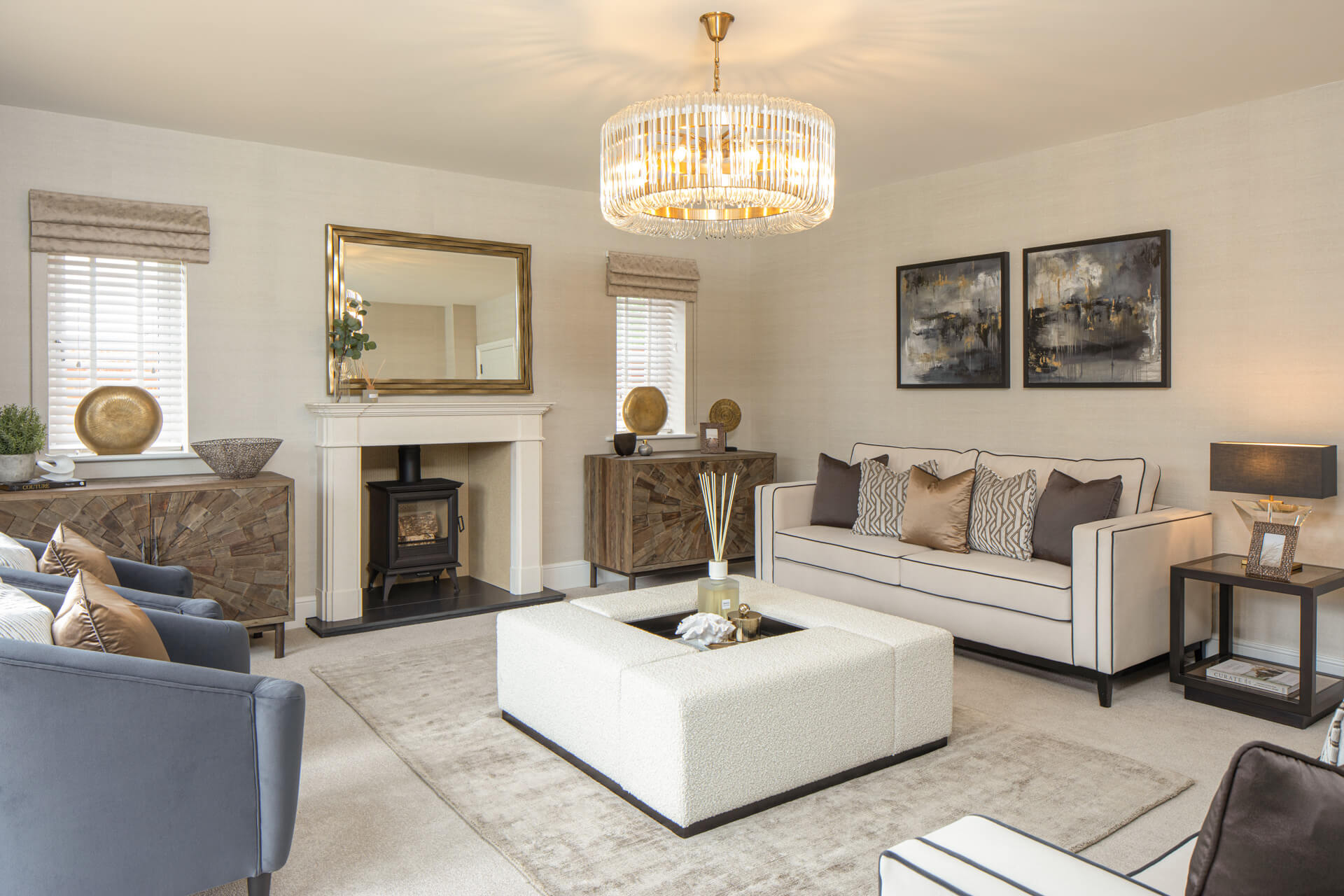

Introduction
Decor Tips can dramatically transform how a home feels, functions, and supports everyday routines. While many people think of décor as an afterthought, the truth is that well planned décor decisions shape the emotional tone, visual flow, and usability of every space. When these choices follow advanced design principles, the interior becomes more than just attractive. It becomes intuitive, comfortable, and aligned with the homeowner’s lifestyle. Thoughtful décor blends psychology, spatial understanding, material science, and long term durability, especially when implemented at the early stages of planning.
In today’s design landscape, Decor Tips help homeowners create environments that look professionally styled without losing practicality. Since décor influences how people interact with their spaces, even small decisions like lighting temperature, furniture proportions, and texture balance can make a dramatic difference. This guide provides in depth, evidence based strategies that move beyond surface level decoration and into meaningful, functional design.
Establishing a Clear Design Direction
A successful décor plan begins with an intentional direction that guides decisions and prevents mismatched purchases.
Defining the Purpose of Each Room
Before selecting décor, it is essential to understand how each room should function. Purpose dictates layout, material choice, lighting needs, and accessory placement.
Questions to clarify room goals include:
- What activities happen most often in this space?
- Is this a high traffic area requiring durability?
- Should the room feel energizing or calming?
- Will the room be used for entertaining or personal retreat?
- Is storage a primary concern for this specific space?
Design choices become easier when the purpose is clearly defined and prioritized.
Creating a Visual Identity for the Home
A visual identity creates cohesion between rooms, even when each space has unique characteristics.
Core components of a visual identity include:
- Consistent undertone across paint colors
- Repeating metal or wood finishes
- Similar fabric weights and textures
- Shared design elements like arches, curves, or clean lines
When homeowners unify these elements, the home feels harmonious even with stylistic variety.
Space Planning and Proportion Control
Decor Tips are most effective when they enhance the natural flow and proportion of a room.
Mastering Scale and Balance
Scale determines how well décor fits a space. Oversized décor overwhelms smaller rooms, while tiny décor pieces get lost in larger environments.
To achieve balanced proportions:
- Evaluate ceiling height before selecting art or lighting
- Combine large statement pieces with smaller accents
- Use visually lightweight furniture in compact rooms
- Choose wide rugs that anchor seating and prevent floating layouts
- Position décor to complement architectural lines, not fight them
Proper scale creates visual comfort and balance.
Creating Functional Layouts
Layout is just as important as the décor itself.
Effective layouts include:
- Clear traffic paths with at least 3 feet of walking space
- Seating that encourages conversation and sightline clarity
- Furniture placement that does not block natural light
- Zones for reading, lounging, working, or hosting
- Strategic focal points that organize the room’s visual structure
Placement is often the difference between a room that feels cluttered and one that feels deliberate.
Color Strategy for Emotion and Cohesion
Color influences mood, temperature perception, and the overall feel of the home.
Building a Whole Home Color Palette
An advanced color palette ensures smooth transitions between spaces.
A strong palette includes:
- A dominant neutral that sets the foundation
- Two or three secondary tones for visual interest
- One signature accent color used sparingly
- Coordinated wood, metal, and fabric tones
This approach avoids visual chaos and creates rhythm throughout the home.
Choosing Colors That Support Function
Colors psychologically affect how a room feels.
For example:
- Soft blues and greens promote focus and calmness
- Warm neutrals create coziness and comfort
- Deep jewel tones add richness and sophistication
- Muted earth tones support relaxation and grounding
The functional purpose of the room should guide color choice.
Light as a Core Decor Element
Lighting is one of the most influential décor elements, shaping ambiance and visibility.
Layering Light for Depth
An advanced lighting plan integrates multiple layers rather than relying on a single overhead fixture.
Lighting layers include:
- Ambient lighting for general illumination
- Task lighting for reading, cooking, or workspace areas
- Accent lighting to highlight art, architectural features, or textured surfaces
Layered lighting enhances atmosphere and depth.
Using Natural Light Strategically
Natural light affects how décor colors, textures, and materials appear.
Optimizing natural light involves:
- Choosing sheer window treatments
- Placing mirrors across from windows to double light
- Selecting reflective surfaces to brighten darker areas
- Avoiding heavy furniture that blocks light flow
Homes with good natural lighting feel more expansive and alive.
Texture and Material Selection
Texture is essential for making a room feel professionally designed and visually rich.
Building a Texture Portfolio
A texture portfolio ensures each room has depth and dimension.
Elements to include:
- Smooth metals for contrast
- Natural wood for warmth
- Plush textiles like velvet or boucle
- Organic elements such as jute, linen, or rattan
- Hard surfaces like stone or tile for structure
Combining textures creates a layered, engaging design.
Using Materials with Purpose
Functionality matters as much as style.
For example:
- Performance fabrics work well in high traffic living rooms
- Ceramic or porcelain tile is ideal for kitchens and bathrooms
- Soft rugs support acoustic control in open spaces
- Matte finishes conceal fingerprints in busy households
Choosing materials intentionally enhances both appearance and usability.
Furniture and Décor Placement
Placement determines how décor interacts with its environment.
Creating Focal Points
Focal points guide the eye and organize visual flow.
Effective focal points include:
- Fireplaces
- Large artwork
- Oversized mirrors
- Accent walls
- Statement light fixtures
Once established, other décor elements should support the focal point rather than compete with it.
Curating Meaningful Accessories
Accessories should feel purposeful, not random.
Smart accessory guidelines:
- Use odd number groupings for visual interest
- Mix heights and shapes for dynamic displays
- Incorporate sentimental items for personality
- Rotate décor seasonally to keep spaces fresh
- Allow empty space to prevent crowding
Curation elevates décor from decorative to meaningful.
Storage as a Decor Strategy
Advanced décor integrates storage seamlessly into the design.
Built In Storage Solutions
Built ins serve both functional and aesthetic roles.
Popular built in features:
- Window seat benches
- Wall length shelving systems
- Mudroom storage walls
- Entertainment center cabinetry
- Pantry organization solutions
Built in storage creates a clean environment with long term benefit.
Decorative Storage Options
Decorative storage improves both organization and style.
Options include:
- Woven baskets for blankets or toys
- Decorative boxes for shelving units
- Storage ottomans for living rooms
- Trays for coffee tables and countertops
These choices prevent clutter while enhancing décor.
Styling Techniques for Professional Results
Styling is often the final step but has a major impact on the finished look.
Creating Visual Rhythm
Visual rhythm unifies elements across the room.
Ways to establish rhythm:
- Repeat colors at balanced intervals
- Use patterns in varying scales
- Match shapes such as round coffee tables and round mirrors
- Blend symmetrical and asymmetrical arrangements
Rhythm gives décor a cohesive, polished feel.
Layering Décor for Depth
Layering adds meaning and complexity.
Examples:
- Combine pillows of different materials on a sofa
- Use multiple rugs for texture variety
- Place stacked books under decorative objects
- Add greenery to bring life and movement
Layering creates richness without clutter.
Achieving Homewide Cohesion
A cohesive home feels intentional rather than disconnected.
Repetition Across Rooms
Strategic repetition ties the entire home together.
Repeat:
- Metal finishes
- Wood tones
- Base color undertones
- Lighting shapes
- Fabric textures
Subtle consistency supports harmony.
Balancing Variety with Stability
Variety keeps décor interesting, but too much variation disrupts flow.
Introduce variety through:
- Art changes
- Mixed seating arrangements
- Accent colors used sparingly
- Statement décor in select rooms
Variety should feel complementary, not chaotic.
FAQs About Decor Tips
How can I update my décor without replacing furniture?
Focus on textiles, lighting, wall color, and accessories. Changing throw pillows, area rugs, drapery, and lamps can dramatically refresh a room.
What is the fastest way to make a home feel more cohesive?
Use a unified color palette and repeat key materials such as metals or wood tones. Even small adjustments create impressive harmony.
How do I avoid clutter while decorating?
Choose a few meaningful pieces instead of many small items. Utilize storage, keep surfaces partially open, and avoid overcrowding shelves.
Are accent walls still effective in modern décor?
Yes, when used strategically. Textured or deep toned accent walls add depth without overwhelming the space, especially behind beds or sofas.
How can I decorate small rooms without making them feel cramped?
Use light colors, choose furniture with legs, incorporate vertical décor, and place mirrors to expand visual space. Avoid oversized patterns or heavy materials.
If you would like, I can create additional décor focused guides, room specific styling articles, or SEO clusters to support your content strategy.
Comments are closed.