

Introduction
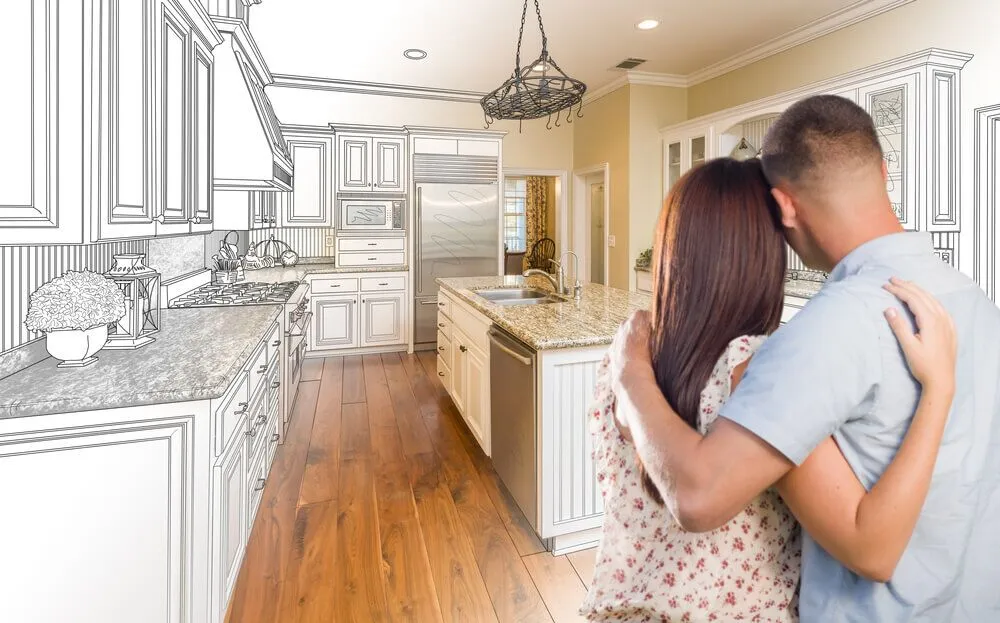
Remodeling has become one of the most effective ways to enhance a home’s comfort, efficiency, and long term market value. With evolving lifestyles and modern design expectations, homeowners increasingly rely on Remodeling to upgrade outdated layouts, improve structural reliability, and introduce advanced features that elevate daily living. Whether the goal is to refresh a single room or transform an entire property, remodeling offers measurable benefits when approached with strategy and precision.
Early planning is essential. The most successful projects consider both present needs and long term goals, ensuring every improvement aligns with the home’s overall architecture and the homeowner’s lifestyle. This article provides an in depth guide to remodeling with professional level insights that help homeowners make confident, high impact decisions.
Understanding the Core Purpose of Remodeling
Remodeling goes far beyond cosmetic updates. It reshapes functionality, corrects structural weaknesses, integrates modern technology, and improves energy performance. These improvements strengthen a home’s foundation while creating spaces that feel intentional and balanced.
Identifying the Why Behind Your Project
Effective remodeling begins with a clear understanding of your goals. These can differ widely depending on household needs, lifestyle changes, or the age of the home.
Common motivations include:
- Improving layout efficiency
- Increasing storage capacity
- Enhancing energy efficiency
- Upgrading materials to modern standards
- Correcting structural issues
- Preparing for aging in place
- Raising resale value before listing the home
Knowing the underlying purpose helps determine the scope, materials, and budget for the project.
Differentiating Renovation from Remodeling
Renovation typically means restoring or repairing existing elements, while remodeling involves altering the structure, layout, or function of a space. For example, repainting cabinets is renovation, but removing a wall to create an open kitchen is remodeling.
Understanding this distinction ensures accurate planning and cost estimation.
Planning a Strategic Remodeling Project
A strong plan is the backbone of every successful remodel. Without a structured approach, projects may face delays, budget overruns, or design inconsistency.
Conducting a Whole Home Assessment
A thorough assessment reveals which areas require immediate attention and which improvements can wait. It prevents wasted investment by identifying hidden issues before construction begins.
Key assessment areas:
- Plumbing and electrical systems
- Roof and foundation condition
- HVAC performance
- Moisture or ventilation concerns
- Window and door efficiency
- Insulation levels
- Existing layout limitations
This step ensures remodeling efforts support long term integrity, not temporary fixes.
Establishing a Practical Budget
Budget planning should account for labor, materials, contingencies, permits, and potential unexpected issues. Building a buffer of at least 10 to 20 percent prevents financial stress if surprises arise during construction.
Smart budgeting practices include:
- Determining which projects offer the highest return
- Separating must have improvements from nice to have features
- Comparing material options for durability and cost
- Tracking expenses in every phase
A clear budget protects overall project quality.
High Impact Remodeling Areas That Deliver Strong Results
Certain rooms and systems deliver greater functional and financial benefits when remodeled. These areas influence livability and significantly impact resale value.
Kitchen Remodeling for Higher Function and Modern Appeal
Kitchens are often the hub of the home, making them a top priority for remodeling.
Improving Workflow Through Smart Layout Design
A well planned kitchen layout improves meal preparation, storage efficiency, and social interaction.
Key elements of strong layout design:
- The work triangle between sink, stove, and refrigerator
- Adequate countertop space for prep
- Proper placement of electrical outlets
- Multi zone areas for cooking, cleaning, and storage
- Islands that encourage gathering without blocking traffic
Better workflow means easier daily routines.
Upgrading Surfaces and Appliances
Modern kitchens benefit from durable, easy to clean materials.
High performing materials include:
- Quartz countertops for long term strength
- Porcelain backsplash tile for moisture resistance
- Soft close cabinet hardware
- Energy efficient appliances
- Deep stainless sinks with flexible faucets
Combining durability with style supports everyday use.
Bathroom Remodeling for Comfort and Hygiene
Bathrooms have evolved into wellness spaces, making remodels both practical and luxurious.
Enhancing Function Through Improved Layout
Older bathrooms often lack efficient storage, ventilation, and lighting.
Remodeling upgrades may include:
- Walk in showers with frameless glass
- Wall niches for organized storage
- Better ventilation to prevent moisture damage
- Double vanities for shared spaces
- Upgraded lighting around mirrors
These changes improve everyday comfort.
Incorporating Water Efficient Features
Eco friendly features save water and reduce utility costs.
Popular water efficient upgrades include:
- Low flow showerheads
- Dual flush toilets
- Touchless faucets
- Leak resistant plumbing fixtures
Efficiency supports both sustainability and budget control.
Living Room and Shared Space Remodeling
Shared spaces set the tone for the entire home, influencing comfort and style.
Enhancing Natural Light and Openness
Remodeling may involve:
- Installing larger windows
- Removing partial walls
- Adding skylights
- Reconfiguring seating for better flow
Natural light increases perceived space and boosts mood.
Integrating Built In Storage
Built ins maximize space while maintaining a clean, modern look.
Examples include:
- Wall length shelving units
- Fireplace mantels with integrated cabinets
- Window seat storage
- Hidden entertainment centers
These solutions reduce clutter while improving design.
Bedroom Remodeling for Better Rest and Relaxation
Bedrooms should feel peaceful, functional, and supportive of healthy sleep.
Creating a Rest Centric Layout
Remodeling may include:
- Repositioning the bed away from doors and high traffic areas
- Adding blackout shades for better sleep
- Incorporating layered lighting
- Increasing closet capacity
A balanced layout supports relaxation.
Upgrading Materials for Comfort
Consider:
- Plush carpet or quiet hardwood flooring
- Sound absorbing wall treatments
- High quality paint with low VOC content
- Soft fabrics and layered bedding
Material selection strongly affects comfort.
Structural and System Upgrades During Remodeling
Remodeling provides the perfect opportunity to address essential systems behind the walls.
Electrical and Plumbing Updates
Older homes often require updated wiring, new panels, or replumbing.
Examples of critical upgrades:
- Grounded wiring for safety
- GFCI outlets in wet areas
- PVC or PEX piping to replace corroded metals
- Proper shut off valves for emergency control
Addressing these systems increases safety and performance.
Insulation and HVAC Improvements
Optimizing climate control enhances comfort and reduces utility bills.
Improvements include:
- Attic and wall insulation upgrades
- Air sealing and duct repair
- High efficiency HVAC units
- Programmable or smart thermostats
System upgrades future proof the home.
Exterior Remodeling for Curb Appeal and Durability
Exterior remodeling strengthens structural protection while improving visual impact.
Siding, Roofing, and Windows
These elements protect the home from weather and improve energy efficiency.
Key enhancements include:
- Impact resistant roofing materials
- Durable siding with moisture protection
- Double or triple pane windows
- High grade exterior paint
These improvements also boost resale value.
Outdoor Living Enhancements
Modern remodels often extend living space outdoors.
Popular options:
- Decks and patios
- Outdoor kitchens
- Fire pits
- Landscape lighting
- Covered seating areas
Outdoor improvements add functional square footage.
Remodeling for Aging in Place
As households plan for long term stability, aging in place modifications have become essential.
Key features include:
- Zero threshold showers
- Wider doorways
- Lever style door handles
- Slip resistant flooring
- Ramps or step free entrances
- Lowered countertops in select areas
These upgrades blend safety with comfort.
Sustainability Focused Remodeling
Sustainable remodeling reduces environmental impact while improving indoor air quality.
Eco Friendly Options
- Low VOC paint
- Recycled content flooring
- Efficient water heating systems
- Solar readiness upgrades
- Natural fiber textiles
Sustainable materials offer long lifespan and fewer toxins.
FAQs About Remodeling
How can I prepare my home before starting a remodeling project?
Begin by clearing the work area, protecting furniture, setting up temporary living arrangements if needed, and securing permits. Preparation reduces stress and prevents delays.
What remodeling projects offer the highest return on investment?
Kitchens, bathrooms, energy efficiency upgrades, and exterior improvements consistently offer strong returns, especially when paired with modern layouts and durable materials.
How long should I expect a typical remodel to take?
Timelines vary based on project scope. A bathroom remodel may take three to six weeks, while full home remodeling can range from two to six months depending on structural changes.
Are structural changes worth the additional cost?
Structural changes like removing walls or reinforcing foundations can significantly improve layout and safety. They are worthwhile when they enhance long term livability or address essential repairs.
How can I reduce disruption during remodeling?
Plan work in phases, create temporary living zones, communicate expectations with contractors, and schedule work during vacations or quieter periods if possible.
If you’d like, I can also create topic clusters, additional remodeling guides, or SEO optimized articles related to construction and home improvement.
Comments are closed.